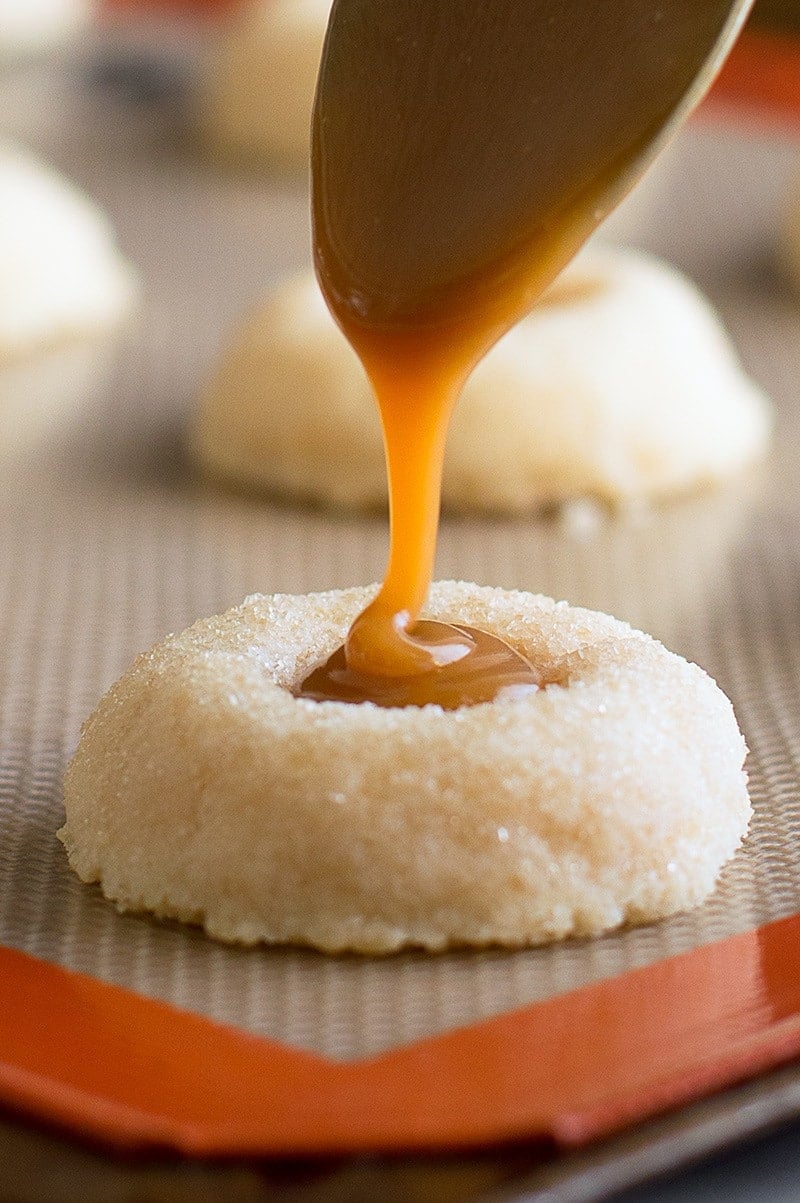
The humble thumbprint cookie, with its buttery base and sweet, indented center, holds a special place in the hearts of home bakers and dessert enthusiasts alike. These delightful morsels are not just a feast for the eyes but a symphony of textures and flavors. While many fillings can adorn these charming treats, two stand out for their rich, comforting appeal: butterscotch and caramel. Both promise a golden, gooey center, but delve a little deeper, and you’ll discover a distinct flavor difference that can transform your baking experience. So, whether you're a seasoned baker or just starting your journey with easy homemade butterscotch thumbprint cookies, understanding this nuance is key to achieving cookie perfection.
The Sweet Science: Butterscotch vs. Caramel - What's the Real Difference?
At first glance, butterscotch and caramel might seem like two sides of the same delicious coin. Both are golden-brown, rich, and intensely sweet, often featuring a luxurious, gooey texture. However, their fundamental difference lies in their primary sugar base, which dramatically influences their flavor profile and culinary applications.
- Butterscotch: The Brown Sugar Star
Butterscotch, at its heart, is made predominantly with brown sugar. This seemingly small distinction is what gives butterscotch its characteristic deep, molasses-rich flavor. Brown sugar, being less refined than white sugar, carries hints of treacle and a more complex sweetness. When combined with butter (often in a higher proportion than caramel), cream, and vanilla, it creates a flavor that is incredibly warm, toasty, and distinctly buttery. The result is a sauce that's often described as richer, chewier, and with a comforting depth. When used as a filling for butterscotch thumbprint cookies, it imparts a profound warmth that pairs beautifully with a tender cookie base. Interestingly, while butterscotch sauce sets, it tends to remain a little on the softer, chewier side, unlike royal icing which hardens completely. This contributes to that desirable melt-in-your-mouth experience. - Caramel: The Granulated Sugar Classic
Caramel, on the other hand, begins its journey with granulated (white) sugar. The magic happens when white sugar is heated until it melts and caramelizes, developing a distinct nutty, slightly burnt sugar flavor. This process can range from a light, delicate caramel to a deep, intensely bitter variety, depending on how long the sugar is cooked. Unlike butterscotch, caramel's flavor is primarily derived from the browned sugar itself, resulting in a cleaner, more direct sweetness with subtle bitter undertones. When milk, cream, or butter is added to caramelized sugar, it creates the familiar creamy caramel sauce we all adore. In thumbprint cookies, caramel offers a classic, sophisticated sweetness that complements a variety of other flavors without overpowering them.
Choosing between butterscotch and caramel for your thumbprint cookies isn't just about personal preference; it's about understanding the subtle nuances each brings to the overall flavor experience. Butterscotch leans into deep, comforting sweetness, while caramel offers a brighter, sometimes more complex, burnt-sugar note.
Crafting the Perfect Thumbprint: Beyond the Filling
While the filling captures much of the attention, a truly exceptional thumbprint cookie starts with an impeccable base. The cookie itself needs to be tender, flavorful, and sturdy enough to hold its precious filling without crumbling. Mastering the cookie dough is paramount, no matter if you're making butterscotch thumbprint cookies or a caramel version.
Here’s a breakdown of the foundational steps that contribute to a stellar thumbprint cookie, drawing inspiration from tried-and-true recipes:
- The Art of Creaming: Begin by creaming softened unsalted butter and sugar (often brown sugar for that extra depth, even in the cookie base) together until light and fluffy. This isn't just mixing; it's incorporating air, which is vital for a tender, delicate cookie structure. The fluffier this mixture, the lighter your final cookies will be.
- Dry Ingredient Harmony: In a separate bowl, whisk together your all-purpose flour, baking soda, and a pinch of salt. This crucial step ensures that leavening agents and salt are evenly distributed, preventing pockets of unmixed ingredients and guaranteeing consistent texture throughout your batch.
- Gentle Combining: Gradually add the dry ingredients to the wet, mixing just until combined. Overmixing can develop gluten, leading to tough cookies – the opposite of what we want for a tender thumbprint.
- The Indentation Technique: Roll the dough into uniform 1-inch balls. The key to a perfect thumbprint is a gentle yet firm press. Use your thumb (or the back of a small spoon) to create an indentation in the center of each ball. Be careful not to press too hard or create cracks, as these might expand during baking. A well-formed indentation will beautifully cradle your delicious filling.
- The Bake: Preheat your oven to 350°F (175°C) to ensure even baking. Bake for 10-12 minutes, or until the edges are golden and the centers are still slightly soft and puffy. This careful timing prevents dry, crumbly cookies and ensures that desirable melt-in-your-mouth experience.
The versatility of this cookie base is truly remarkable. It provides a neutral yet flavorful canvas, ready to be adorned with anything from classic jams to decadent butterscotch or caramel. You can even infuse the dough itself with different flavors, much like the zesty lemon notes found in some gourmet varieties. For an example of how this base can be transformed, explore Zesty Lemon Butterscotch Thumbprint Cookies: A Gourmet Treat.
Elevating Your Butterscotch Thumbprint Cookies: Tips and Customizations
When you choose to make butterscotch thumbprint cookies, you're opting for a profound, comforting flavor that evokes nostalgia and warmth. To truly elevate these delightful treats, consider these tips and customization ideas:
- Homemade Butterscotch Sauce: While store-bought options exist, making your own butterscotch sauce is incredibly rewarding and surprisingly simple, often requiring just three core ingredients: brown sugar, butter, and cream. The effort pays off with a fresher, richer flavor profile that store-bought versions often lack. Control the consistency by simmering it slightly longer for a thicker, chewier filling or less for a softer, pourable one.
- Flavor Pairings: Butterscotch is incredibly versatile.
- Citrus Zest: A touch of lemon or orange zest in the cookie dough or sprinkled over the finished cookie can cut through the richness of the butterscotch beautifully, adding a bright, unexpected zing.
- Vanilla Cream: As seen in some gourmet recipes, a creamy vanilla filling can provide a luxurious layer beneath the butterscotch drizzle, adding a smooth contrast in both flavor and texture.
- Sea Salt Flakes: A sprinkle of flaky sea salt on top of the butterscotch filling is a game-changer. The salt enhances the sweetness and deepens the butterscotch flavor, creating a sophisticated sweet-and-salty dynamic.
- Nuts: Toasted pecans, walnuts, or almonds, finely chopped and sprinkled on top, add a delightful crunch and nutty complement to the chewy butterscotch.
- Chocolate Drizzle: A drizzle of melted dark or milk chocolate provides another layer of indulgence and visual appeal.
- Presentation Matters: Once the cookies are cooled and filled, consider that final flourish. A drizzle of extra melted butterscotch, a sprinkle of sea salt flakes, or a pinch of fresh lemon zest can make your butterscotch thumbprint cookies look as professional as they taste. Remember that homemade butterscotch sauce, once set, will remain slightly soft and chewy, making for a pleasant texture contrast with the cookie.
Embrace the richness of butterscotch, and don't be afraid to experiment with these simple additions to create a truly personalized and unforgettable cookie experience.
Caramel's Charm: When to Choose the Golden Alternative
While butterscotch offers a deep, molasses-infused richness, caramel presents a different, equally captivating charm. Choosing caramel for your thumbprint cookies means opting for a flavor that is perhaps more universally recognized, with its classic burnt sugar notes and elegant appeal. But beyond familiarity, when is caramel the ideal choice?
- For Classic Elegance: Caramel has a timeless appeal. Its clear, direct sweetness, often with a hint of toasted bitterness, makes it a sophisticated choice for any gathering. Caramel thumbprint cookies feel inherently classic and refined.
- When Purity of Sugar is Key: If you want the pure, unadulterated taste of caramelized sugar to shine, rather than the molasses notes of brown sugar, then caramel is your go-to. It allows other flavors to play a more prominent role without competing with a complex base flavor.
- Pairings that Pop: Caramel is a fantastic partner for a range of other flavors.
- Apple: The quintessential pairing, a small dollop of spiced apple compote beneath a caramel swirl can evoke the comforting flavors of an apple pie.
- Dark Chocolate: A sprinkle of dark chocolate shavings or a rich chocolate ganache drizzle complements caramel's sweetness beautifully, adding depth and a touch of bitterness.
- Nuts: Pecans, walnuts, and peanuts are classic caramel companions, providing a crunchy textural contrast and nutty flavor. Salted caramel and peanuts are an especially popular combination.
- Fleur de Sel: Similar to butterscotch, a sprinkle of sea salt (especially a delicate fleur de sel) enhances caramel's sweetness and creates a gourmet touch.
- Making Homemade Caramel: While perhaps slightly more temperamental than butterscotch (due to the risk of sugar crystallizing), homemade caramel sauce is incredibly rewarding. Patience and careful temperature control are key to achieving that perfect golden hue and smooth consistency. Starting with a dry sugar melt or adding a small amount of water to the sugar can help prevent crystallization.
Caramel thumbprint cookies offer a bright, sometimes sharper, sweetness that can be incredibly refreshing. They are perfect for those who appreciate the delicate balance of toasted sugar and creamy richness.
Ultimately, the choice between butterscotch and caramel for your thumbprint cookies boils down to the flavor experience you desire. Do you crave the deep, molasses-rich warmth of brown sugar, or the classic, sometimes subtly bitter, elegance of caramelized white sugar? Both make for utterly delightful thumbprint cookies, transforming a simple buttery base into a gourmet treat. Experiment with both, perhaps even side-by-side, to discover your own personal favorite. Happy baking!
